
You can be consistent with your skincare routine and still notice changes that your favorite products don’t seem to address. Maybe your skin looks less refreshed than it used to, fine lines have become more noticeable, or your complexion doesn’t feel quite as smooth. These changes are natural, but wanting to maintain healthier, younger-looking skin is just as understandable.
That’s why regenerative skincare has become such an interesting area of aesthetic medicine. Treatments featuring PDRN, a DNA-derived ingredient being studied for its potential role in tissue repair, are attracting attention alongside exosome-based products. Both are discussed for their possible effects on cellular activity, but they work differently, and their clinical evidence isn’t equally established.
So, how do you decide between them? Understanding the science, potential benefits, and limitations of each approach can help you make a more informed choice. Continue reading to discover what makes these treatments different and which considerations matter most for your skin.
PDRN vs. Exosomes: 10 Things to Consider
Both approaches are associated with regenerative aesthetics, but they shouldn’t be treated as interchangeable. Their biological composition, proposed mechanisms, available research, and methods of application all influence how they may fit into a skincare plan.
1. They Come From Different Sources
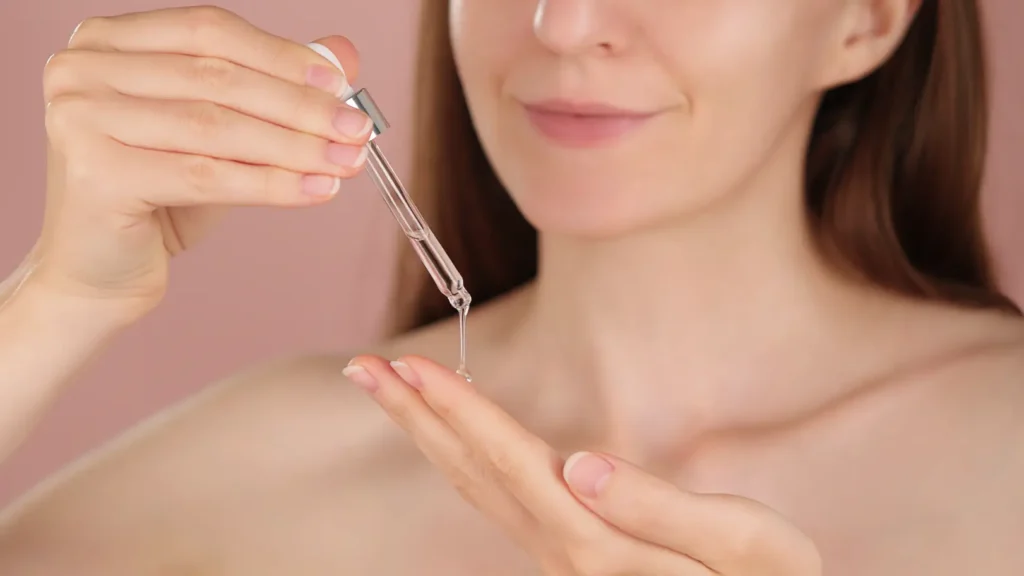
The first distinction is what these ingredients actually are. PDRN stands for polydeoxyribonucleotide, a preparation containing DNA fragments that may be obtained from purified biological sources, including salmon-derived material. These fragments have attracted research interest because of their potential effects on cellular pathways associated with tissue recovery.
Exosomes, on the other hand, are tiny membrane-bound particles released by cells. They belong to a broader group called extracellular vesicles and can carry proteins, lipids, RNA, and other biological components. Their natural role involves communication between cells, making them an interesting subject for researchers studying tissue maintenance and repair.
This difference matters when comparing PDRN vs. exosomes because the two approaches don’t deliver the same biological material. PDRN preparations contain DNA-derived fragments, while exosomes are complex particles carrying varied cellular contents. Neither category represents one universally standardized aesthetic product, and the specific formulation matters just as much as the ingredient’s name.
2. PDRN Has a Different Biological Mechanism
PDRN is being investigated for its potential influence on biological processes involved in tissue repair. Some research suggests that certain PDRN preparations may interact with adenosine A2A receptor-related pathways, which participate in regulating inflammation and tissue responses. DNA fragments may also contribute to nucleotide salvage pathways, although the clinical importance of these mechanisms depends on the preparation and its intended use.
These proposed actions have encouraged researchers to study PDRN in wound healing and other medical applications. Some studies have reported encouraging findings, but results from one medical use cannot automatically be applied to every cosmetic product. The concentration, formulation, route of administration, and treatment setting can substantially affect outcomes.
For patients interested in skin repair, PDRN offers an intriguing scientific rationale. However, the presence of DNA fragments in a topical product doesn’t establish that they will penetrate deeply enough to produce the same effects observed in clinical studies using different delivery methods.
3. Exosomes Focus on Cellular Communication
Exosomes are interesting for a different reason: they participate in the body’s natural communication network. Cells release these microscopic particles, which may interact with other cells and influence their activity. Their biological contents can vary considerably depending on the originating cells and how the particles are collected and processed.
Researchers are investigating whether selected extracellular vesicles can influence fibroblasts, immune cells, and pathways involved in tissue remodeling. Laboratory and animal studies have produced promising observations, but those findings don’t establish predictable improvements from commercially available exosome skincare products.
When comparing exosomes vs. PDRN, it’s helpful to think about the distinction between a DNA-derived preparation and a collection of cellular messengers. Both may influence biological processes, but they do so through different proposed mechanisms. Neither should be described as directly replacing damaged skin cells or guaranteeing regeneration.
4. Both Are Studied for Skin Recovery
Skin recovery is a carefully coordinated process involving inflammation, new tissue formation, and gradual remodeling. When your skin experiences injury or irritation, multiple cell types work together to restore its protective function. This natural response has inspired research into ingredients that might support healing-related pathways.
PDRN has been investigated in medical studies involving tissue repair, while selected exosome preparations have demonstrated effects on wound-healing pathways in preclinical research. These findings explain why both ingredients are increasingly discussed in aesthetic medicine. However, evidence supporting a specific product after an aesthetic procedure may be much more limited than research on the broader ingredient category.
This distinction is especially important when products are used alongside microneedling or laser resurfacing. Those procedures already stimulate the body’s healing response, making it difficult to determine whether an added product independently improves recovery. Patients should ask what evidence supports the exact preparation being recommended rather than assuming all regenerative products offer the same benefits.
5. PDRN May Interest Patients Concerned About Hydration
Dry, dull-looking skin can make fine lines appear more noticeable, even when the underlying issue isn’t significant collagen loss. Hydration plays an important role in how comfortable, smooth, and supple the skin feels. That’s why many aesthetic products combine biologically active ingredients with moisturizing components.
At Allure Aesthetics & Medical Spa, VAMP™ Salmon DNA is described as a sterile, topical bio-revitalizing solution containing salmon-derived PDRN alongside vitamins, amino acids, and minerals. The formulation is positioned around concerns such as hydration, elasticity, tone, and overall skin appearance. However, the benefits of the complete product shouldn’t automatically be attributed to PDRN alone.
A moisturizing formulation may improve the appearance of dehydrated skin through several mechanisms, including ingredients that help attract or retain water. Whether PDRN contributes additional clinically meaningful benefits requires product-specific evidence. Patients should also remember that topical hydration and deeper tissue remodeling are different outcomes, even when both contribute to a healthier-looking complexion.
6. Exosomes Are Being Explored for Collagen Signaling
Collagen provides much of the structural support that helps skin maintain its firmness and resilience. As we age, collagen organization and production change, contributing to wrinkles and reduced elasticity. Sun exposure can accelerate these changes by damaging existing collagen and influencing the cells responsible for maintaining it.
Some experimental studies suggest that selected extracellular vesicles may affect fibroblast activity and biological pathways involved in collagen stimulation. These findings have encouraged further research into their possible applications for aging skin. However, the available evidence doesn’t establish that all exosome products increase collagen or produce visible tightening in patients.
This is an important consideration when evaluating marketing claims about skin rejuvenation. A laboratory result involving fibroblasts isn’t the same as a clinical study demonstrating meaningful wrinkle reduction. Patients seeking collagen-focused improvements may also benefit from discussing established treatments with more extensive clinical evidence, depending on their skin concerns.
7. Both May Address Overlapping Skin Concerns
It’s easy to assume that two treatments must have completely different purposes because they contain different ingredients. In reality, PDRN and exosome-based products are often discussed for similar aesthetic concerns, including dullness, uneven texture, fine lines, and visible signs of aging. Their overlap comes from research into cellular processes involved in tissue maintenance rather than proof that they produce identical results.
For example, someone concerned about rough skin texture might encounter both ingredients while researching regenerative skincare. However, uneven texture can result from dehydration, acne scarring, sun damage, or changes in collagen structure. These causes require different treatment approaches, and neither PDRN nor exosomes should automatically be considered the best option.
A proper skin assessment helps identify what’s actually contributing to the concern. If the problem is primarily surface dehydration, supportive skincare may be sufficient. If deeper acne scars are involved, a procedure designed for scar remodeling may be more appropriate than relying on a topical regenerative product alone.
8. Application Methods Make a Difference
The way a product reaches the skin can influence its potential effects. Ordinary topical products must interact with the skin’s protective outer barrier, which limits how readily many large or complex biological materials can penetrate. This is particularly relevant for DNA-derived ingredients and extracellular vesicles.
VAMP™ Salmon DNA is presented as a topical solution, which is different from injectable PDRN or polynucleotide preparations used in certain international aesthetic markets. Findings from injectable treatments cannot automatically be used to support claims about topical formulations. Even products containing similar ingredients may behave differently because of their delivery systems.
Exosome-containing products may also be marketed for topical application or use alongside aesthetic procedures. However, introducing biological preparations through disrupted skin raises additional safety and regulatory considerations. Patients should ask how the product is intended to be used and whether that particular method has been adequately evaluated.
The route of administration matters because it influences both the potential biological effects and the risks involved.
Discover What Your Skin Needs
PDRN and exosomes represent two different approaches within the evolving field of regenerative aesthetics. Both have attracted interest for their potential roles in cellular activity and skin regeneration, but their mechanisms, formulations, and levels of clinical evidence differ. Understanding those distinctions can help you choose treatments with greater confidence.
At Allure Aesthetics & Medical Spa in Fayetteville, NC, patients can explore personalized skincare options, including VAMP™ Salmon DNA, and discuss which approaches best suit their individual concerns. A consultation offers the opportunity to understand the available treatments, ask informed questions, and develop a skincare plan that prioritizes your long-term skin health.
Contact us today to book your consultation!